
Traumatic Brain Injury
Reality is that anyone is only one moment away from suffering a Traumatic Brain Injury.
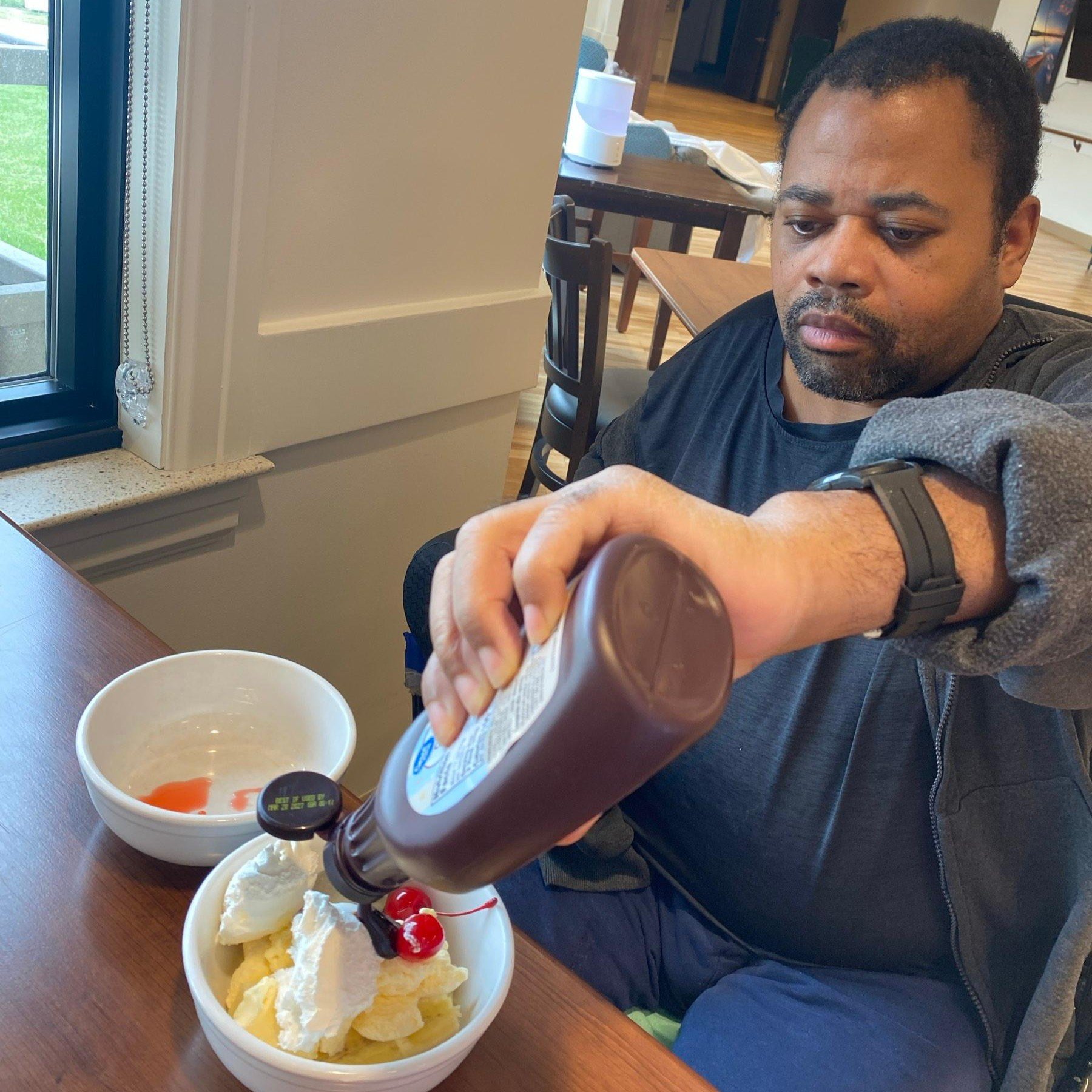
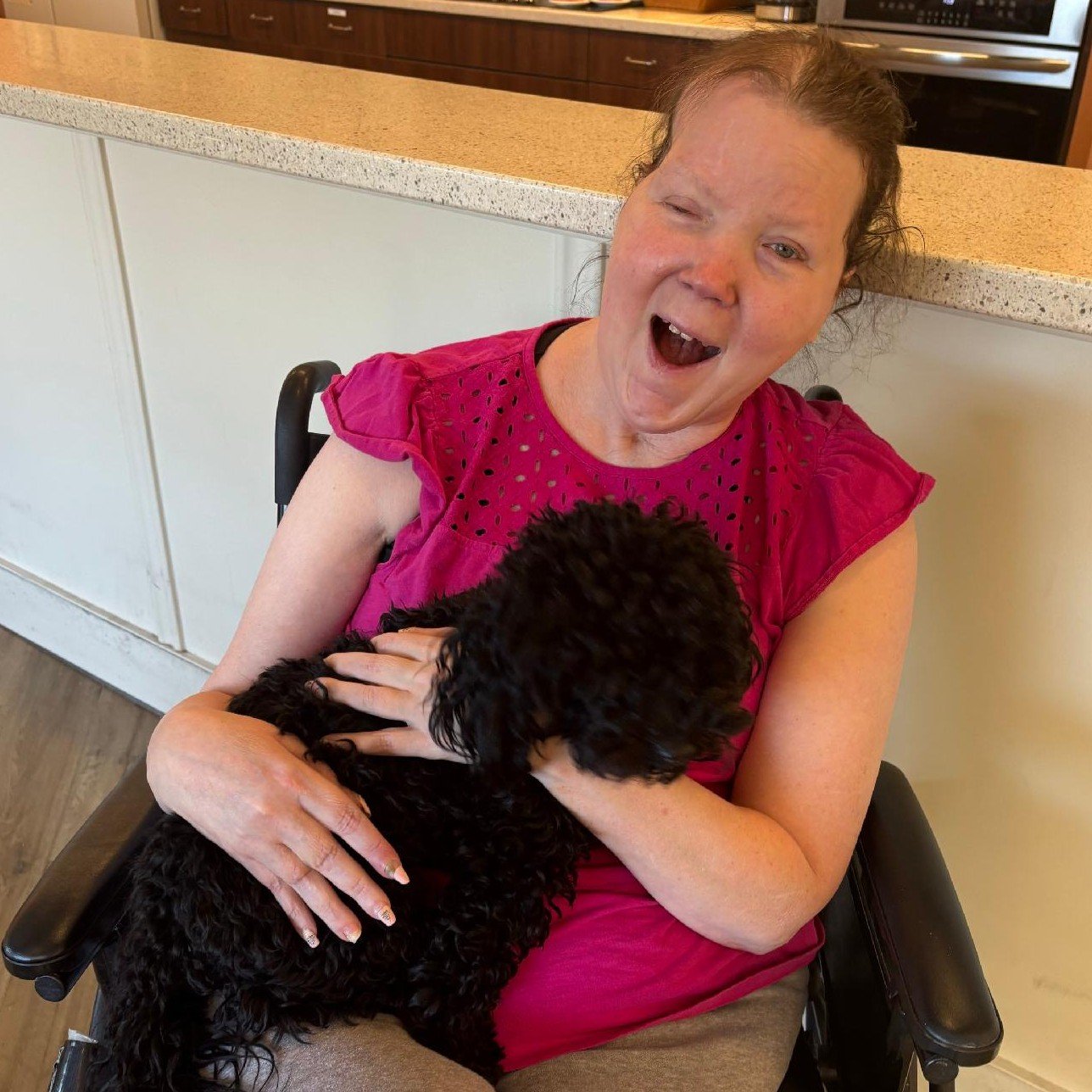
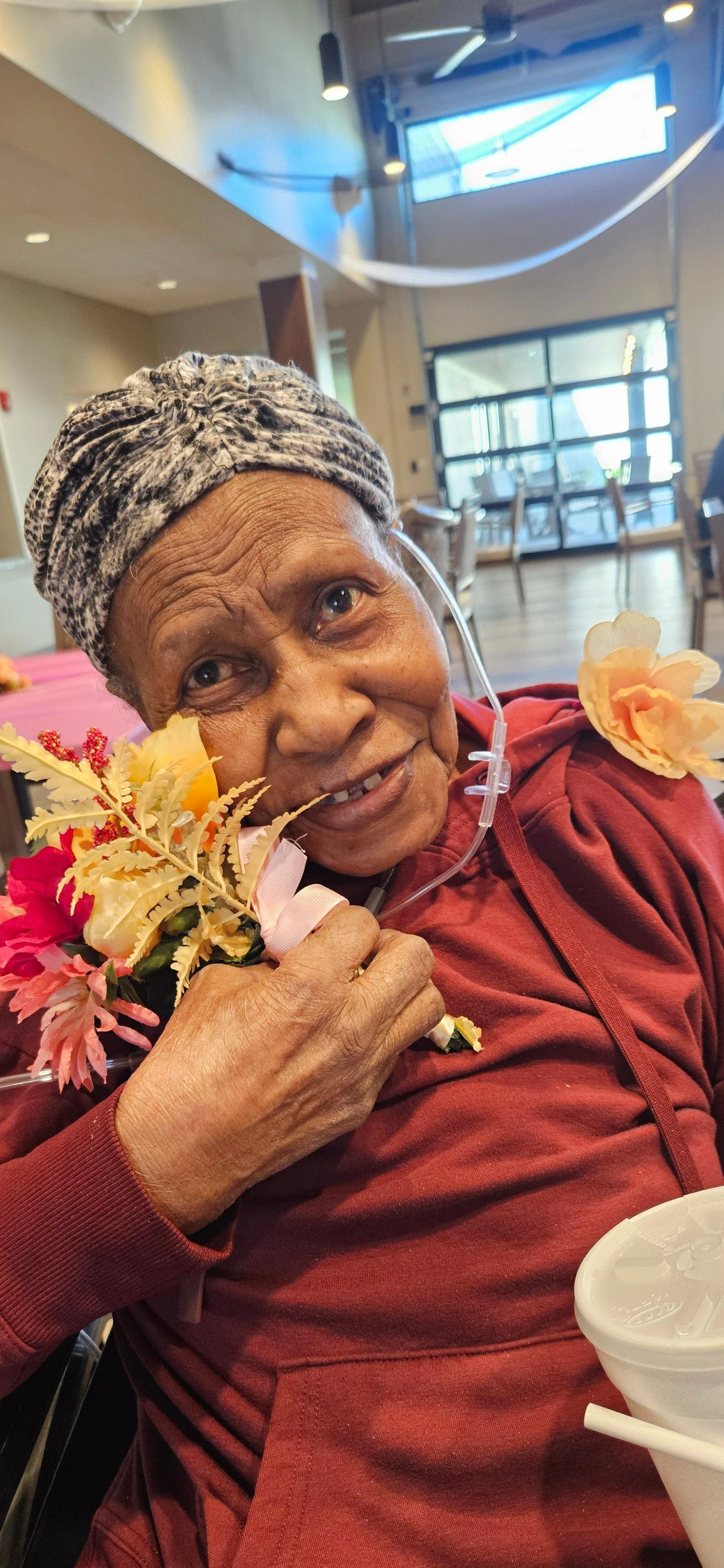
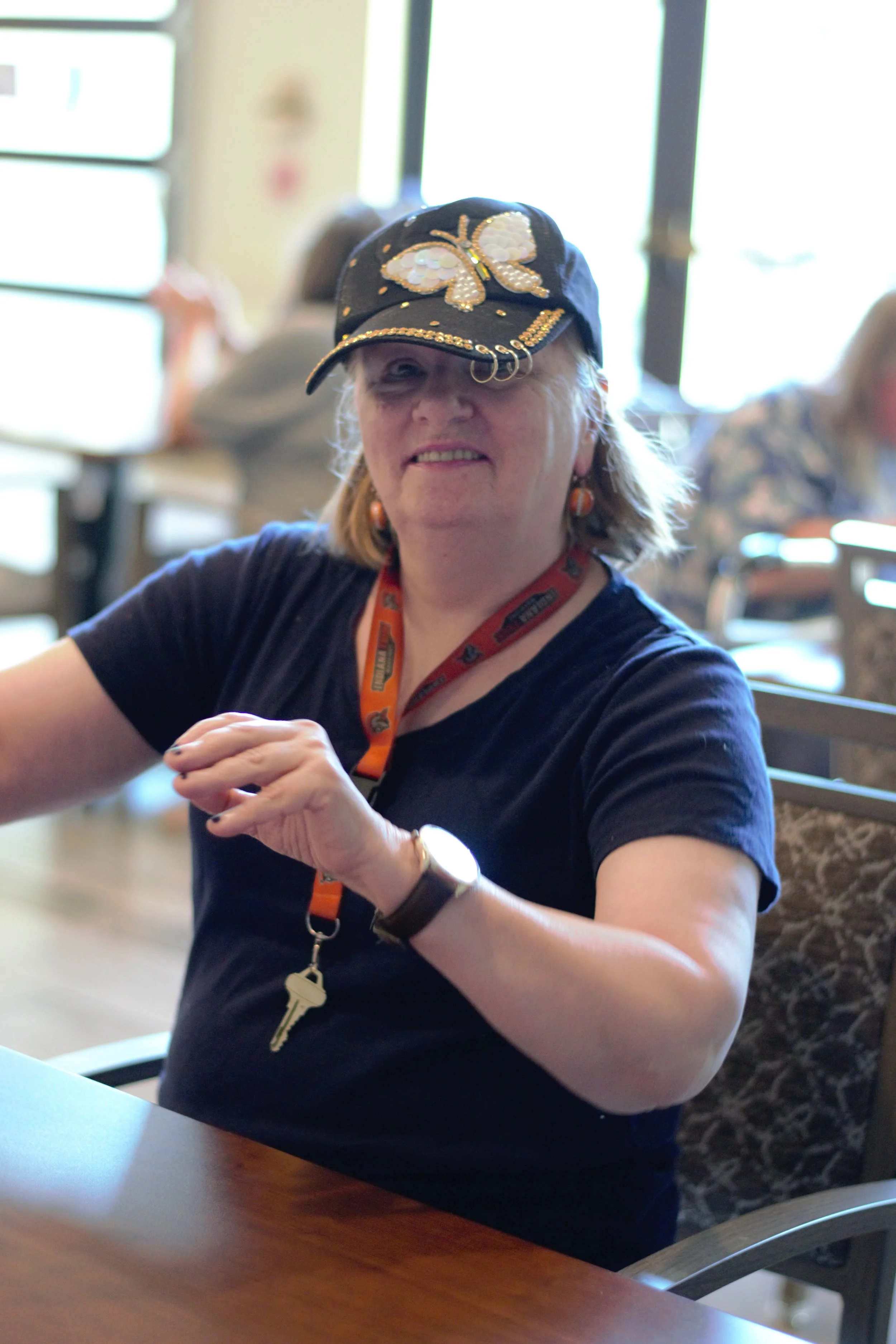
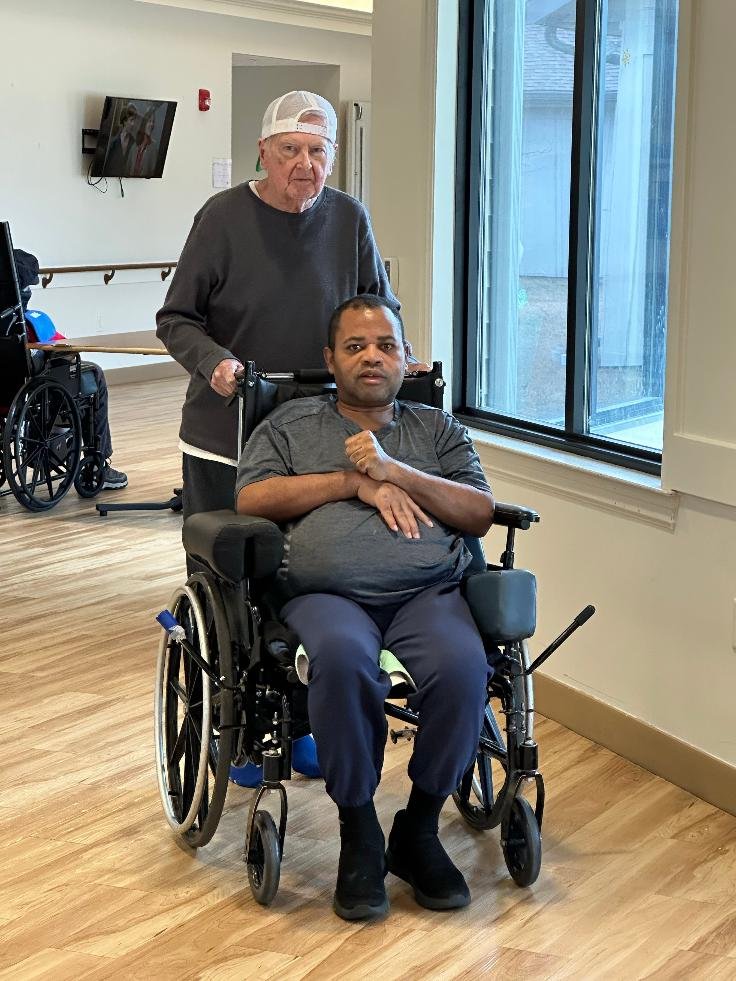
We have found throughout the years that residents who have experienced a traumatic or non-traumatic brain injury are on a journey to find their new “normal” and this can look different each day.
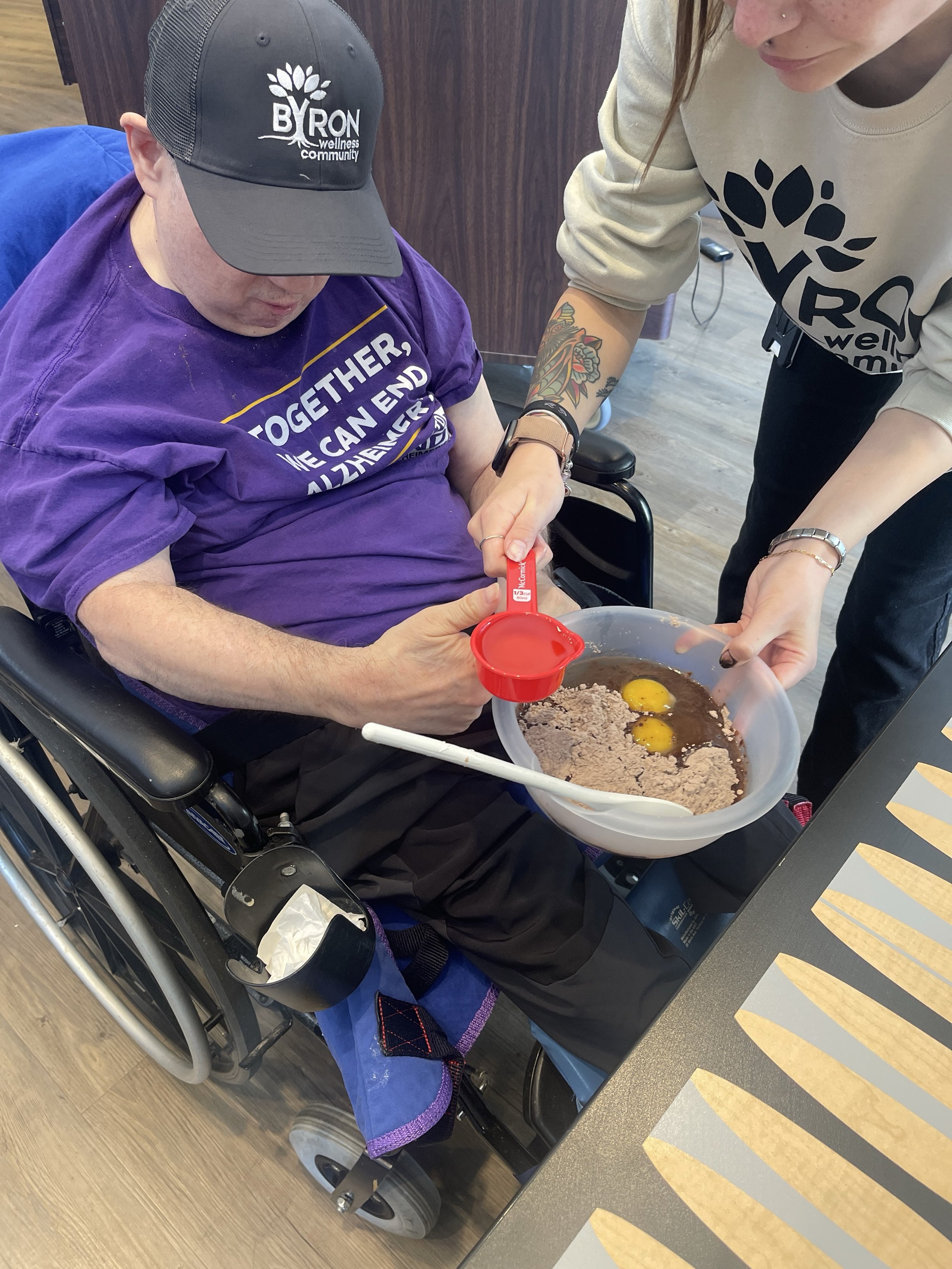
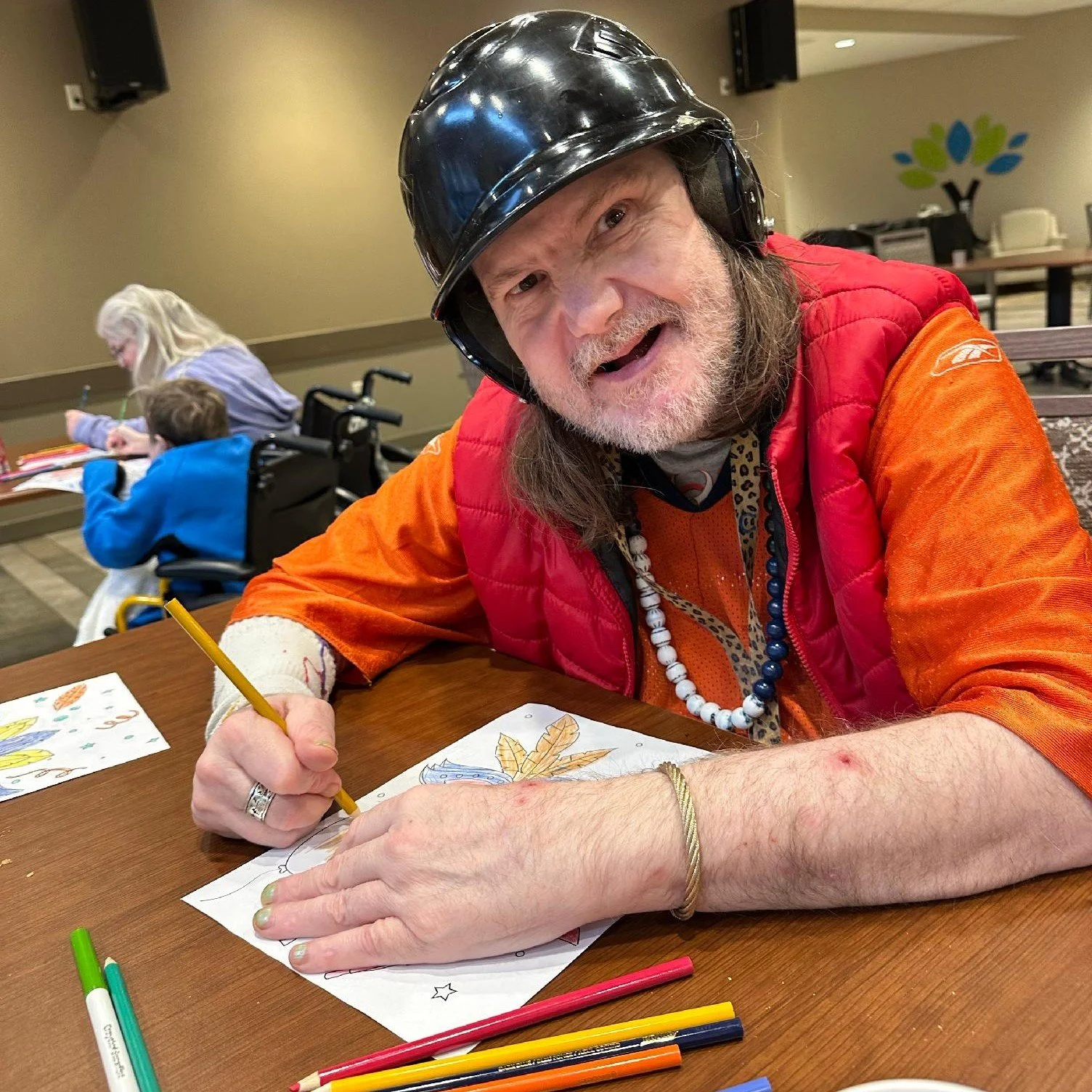
Any manner of fall, bike or car accident or other traumatic injury could lead to a TBI. Currently, 8.8% of Byron residents have a TBI. The brain is an amazing thing. Unlike other organs in the body, the brain can be re-trained to take over functions that may have been damaged due to the TBI. Our Brain Elasticity Intervention program, or Mind Re-Mapping, trains different parts of the brain to help take over functions and skills that may have been lost due to the TBI.
A consistent therapeutic program of Physical, Occupational, Restorative, and Cognitive Therapy encourages and supports a new ‘norm’ for residents that allows them to increase their quality of life and look toward new attainable goals.
These individuals are encouraged to reach anticipated goals and when ready, scale back the need for care. This means living in the least-restrictive environment, while still having a ‘safety net’ of greater care available in case setbacks occur.
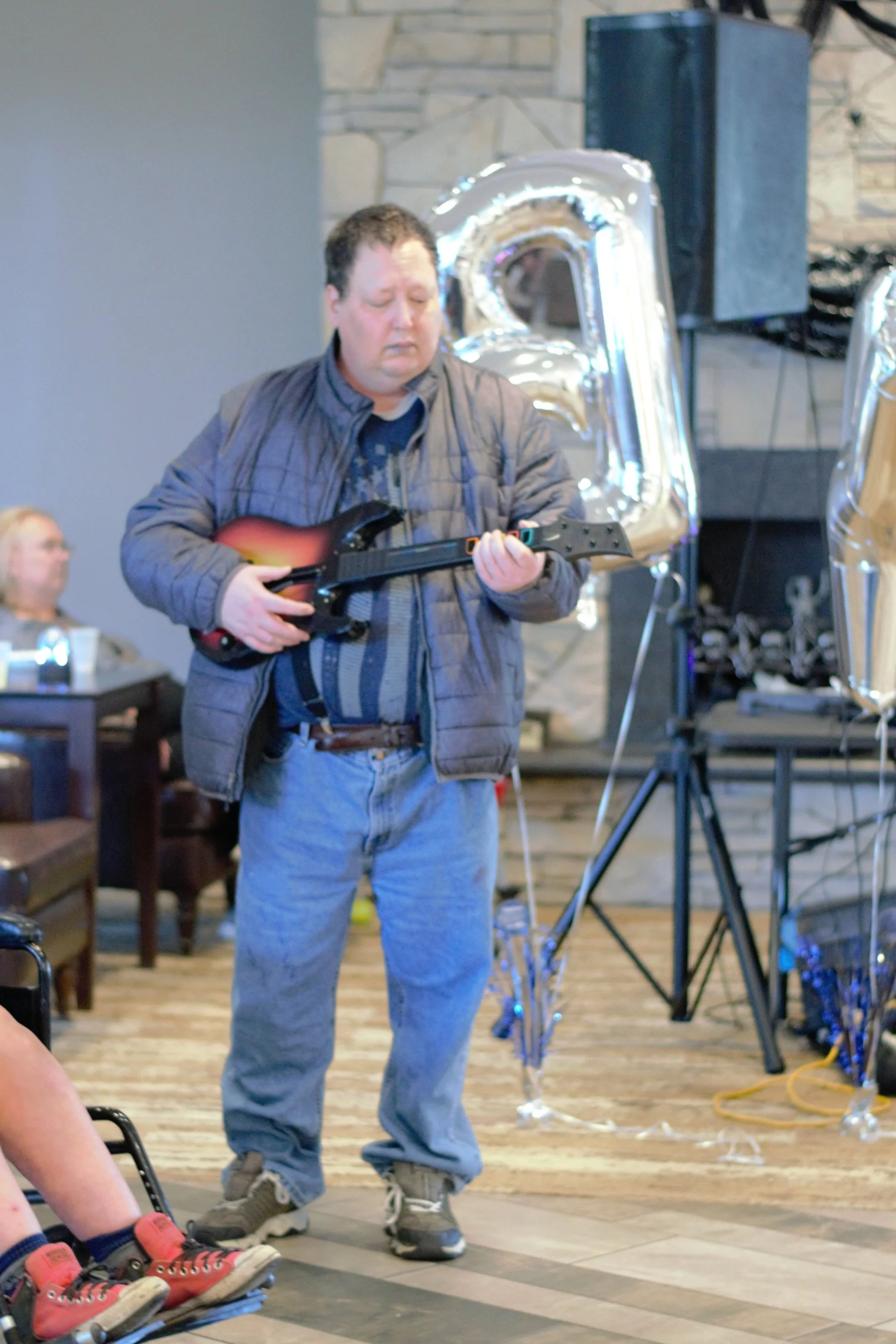
In addition to traumatic brain injuries, we also take care of residents with non-traumatic brain injuries, including stroke and hypoxia. These residents have experienced a loss of oxygen to the brain and potentially have life-long cognitive impairments as well as sensory processing deficiencies. Along with the aforementioned programs and interventions, residents are integrated into our community activities and events at their own pace.
With our emphasis on consistent team members working with those who have experienced a brain injury, we come to learn what a good day looks like for each resident.
Many of our residents who have come to us in the past due to a brain injury have been able to successfully move to a group home or independent living environment where they experience more freedom. This type of transition is made possible by the structured environment they experience and become accustom to in our building.
-
TraumaticBrainInjury.com is a project of Traumatic Brain Injury.com, LLC. whose mission is to be the leading Internet resource for education, advocacy, research and support for brain injury survivors, their families, and medical and rehabilitation professionals.
Brain Injury Association of America (BIAA): Brain injury is not an event or an outcome. It is the start of a misdiagnosed, misunderstood, under-funded neurological disease. People who sustain brain injuries must have timely access to expert trauma care, specialized rehabilitation, lifelong disease management, and individualized services and supports in order to live healthy, independent, and satisfying lives. BIAA’s mission is to advance awareness, research, treatment, and education and to improve the quality of life for all people affected by brain injury. We are dedicated to increasing access to quality health care and raising awareness and understanding of brain injury. With a network of state affiliates, local chapters, and support groups, we are the voice of brain injury.